Section 2 of 5
Listening
The platforms and devices where radio is actually heard now — aggregators, public-broadcaster apps, smart speakers, and the car dashboard fight.
The piece this section is about
2012
TuneIn and the Aggregator Layer Between Station and Ear
The platform that lists your station has more leverage than many broadcasters care to admit.

The angle is infrastructure: TuneIn is not a broadcaster but its decisions about what to list shape what listeners find.
Photo: TuneIn Logo 2018 · Wikimedia CommonsThe rest of Listening
Every piece on the site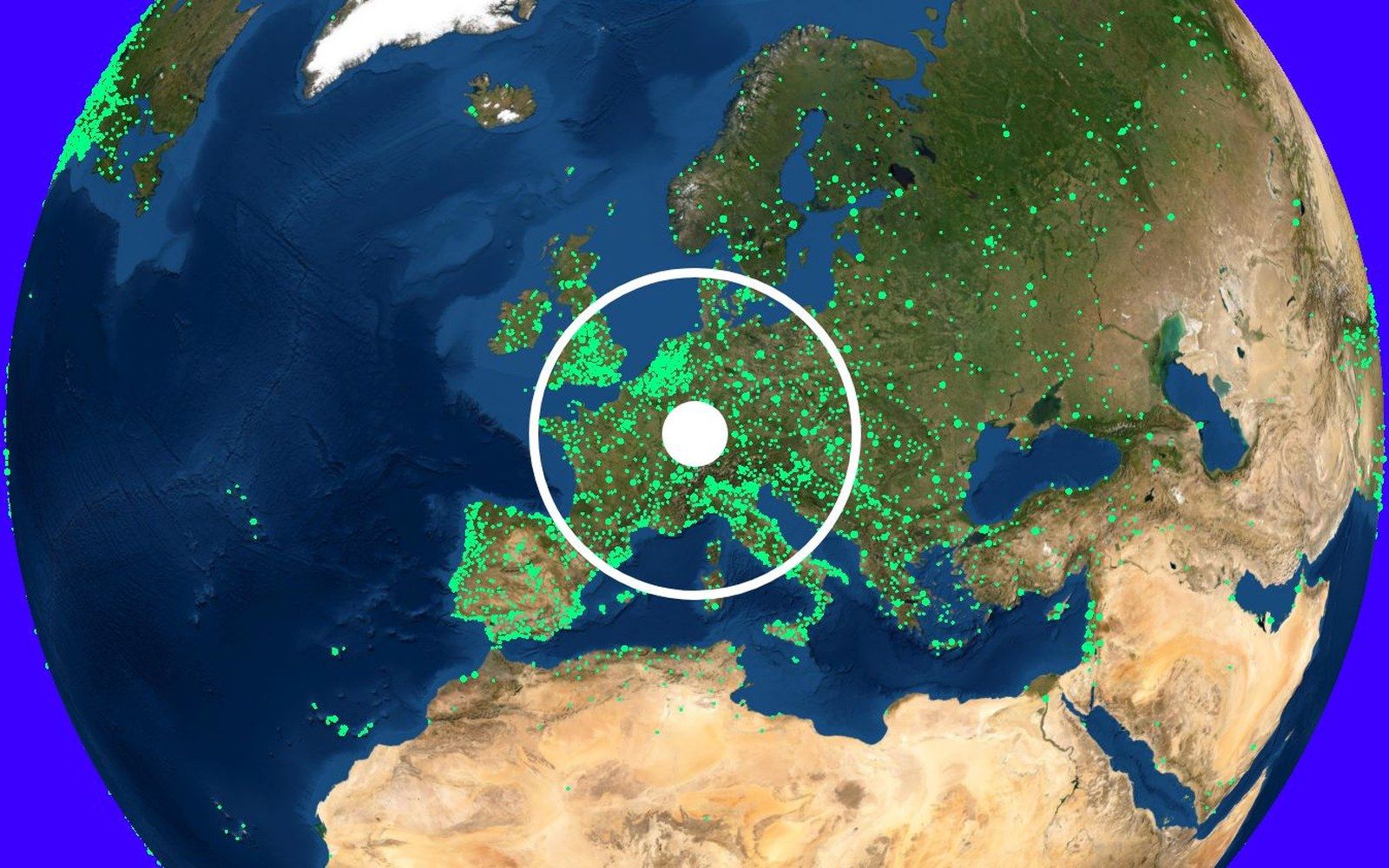
2016Listening
Radio Garden: What Happens When the Map Is the Interface
Describes the Jonathan Puckey-designed Radio Garden project — its origin at the Netherlands Institute for Sound and Vision, its globe-as-dial interface, and its relationship with broadcasting rights — drawing on the project's own published documentation.
Read the piece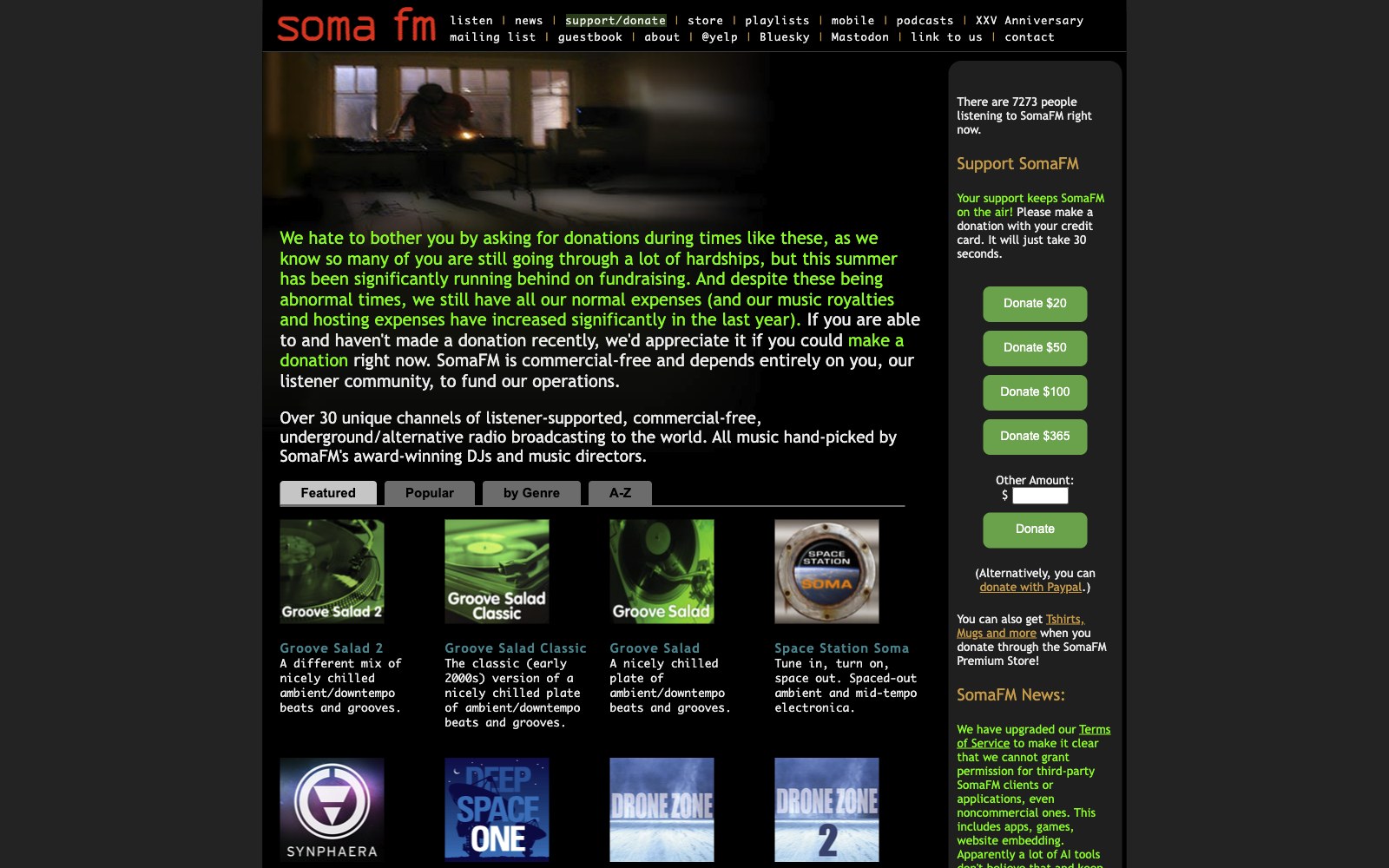
2000Listening
Two Decades Without Ads: The SomaFM and Radio Paradise Model
Covers the listener-funded, ad-free model pioneered by SomaFM (founded 2000, San Francisco) and Radio Paradise (founded 2000, Paradise, California), including their SoundExchange royalty obligations and how listener-donation income has covered those costs over two decades.
Read the piece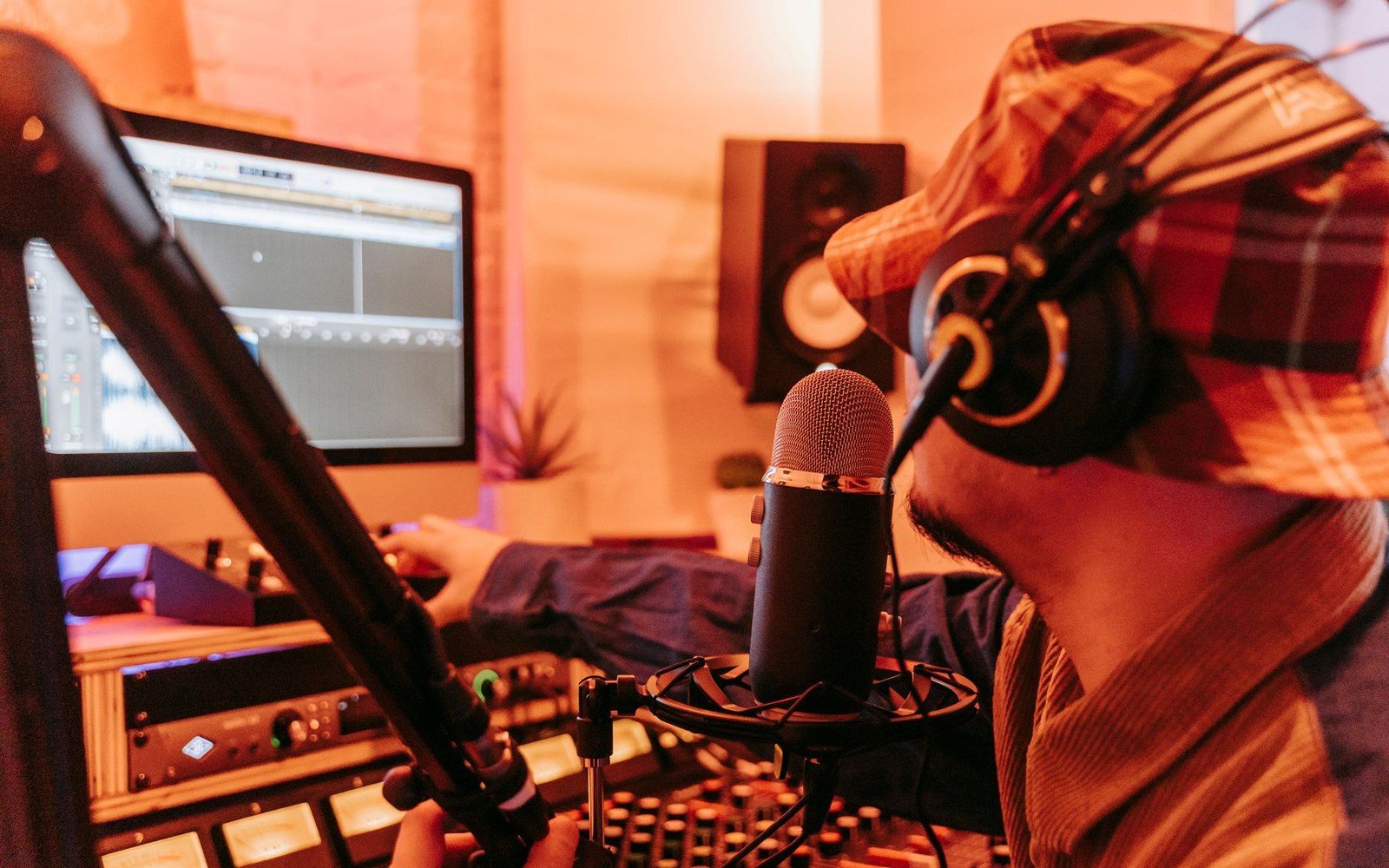
2011Listening
NTS and Worldwide FM: Internet-Native Radio's Operating Logic
Describes NTS Radio (London, founded 2011) and Worldwide FM (London, founded 2016) as stations born for streaming rather than adapted to it — their scheduling, archive, and licensing approach compared with legacy broadcasters adapting to the same distribution layer.
Read the piece
Listening
BBC Sounds and Sveriges Radio: What a Public-Broadcaster App Has to Do
Compares the BBC Sounds and Sveriges Radio Play app architectures — their rights obligations, live-versus-catch-up balance, and the requirement to carry emergency broadcast signals — drawing on the BBC's published annual reports and PTS documentation from Sweden.
Read the piece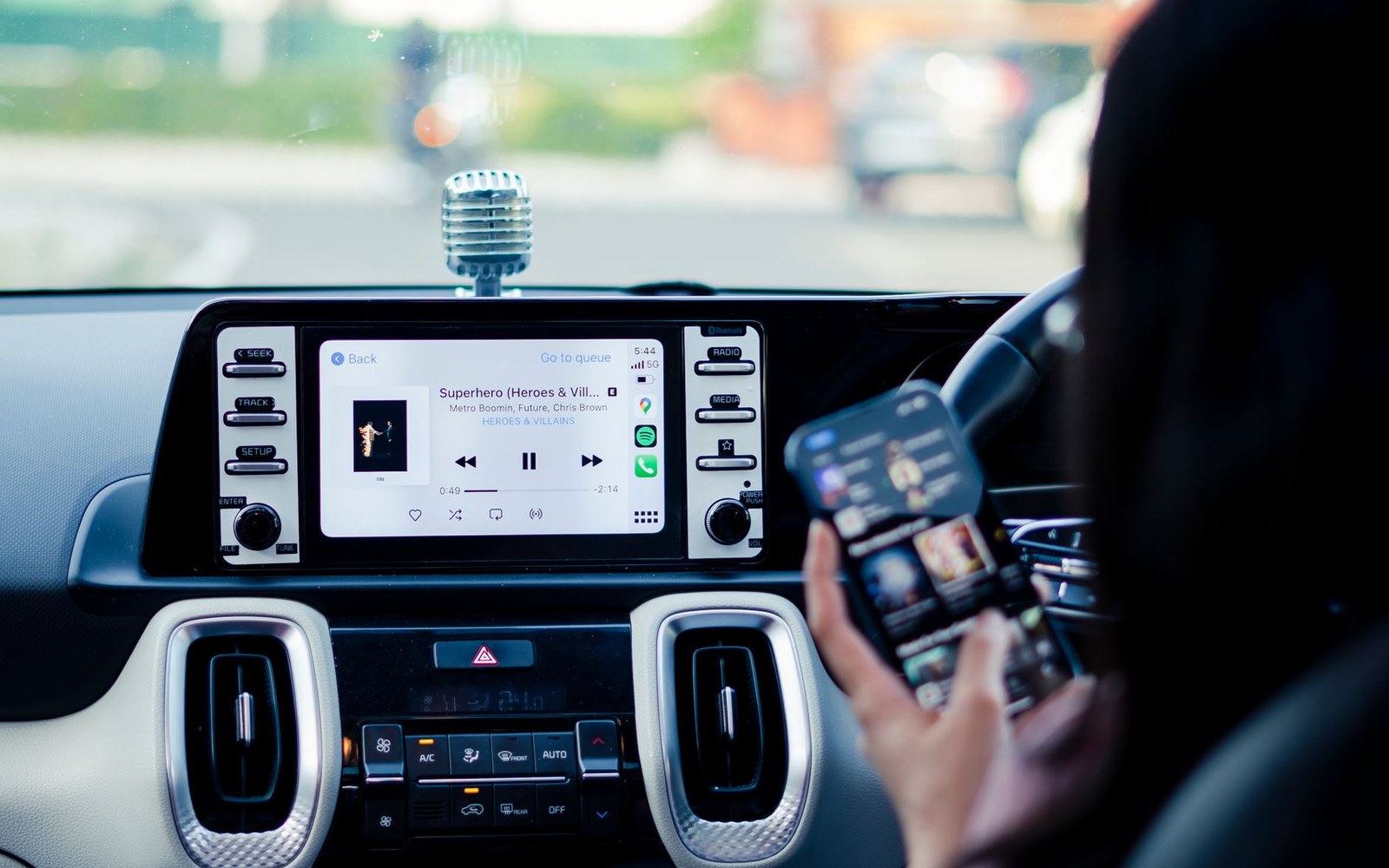
2020Listening
The Dashboard Is the Real Battleground
Examines Android Auto and CarPlay as the dominant in-car radio interfaces and what their adoption means for DAB+, HD Radio, and streaming relative to analogue FM, drawing on automobile manufacturer data and published Ofcom and Edison Research listening surveys.
Read the piece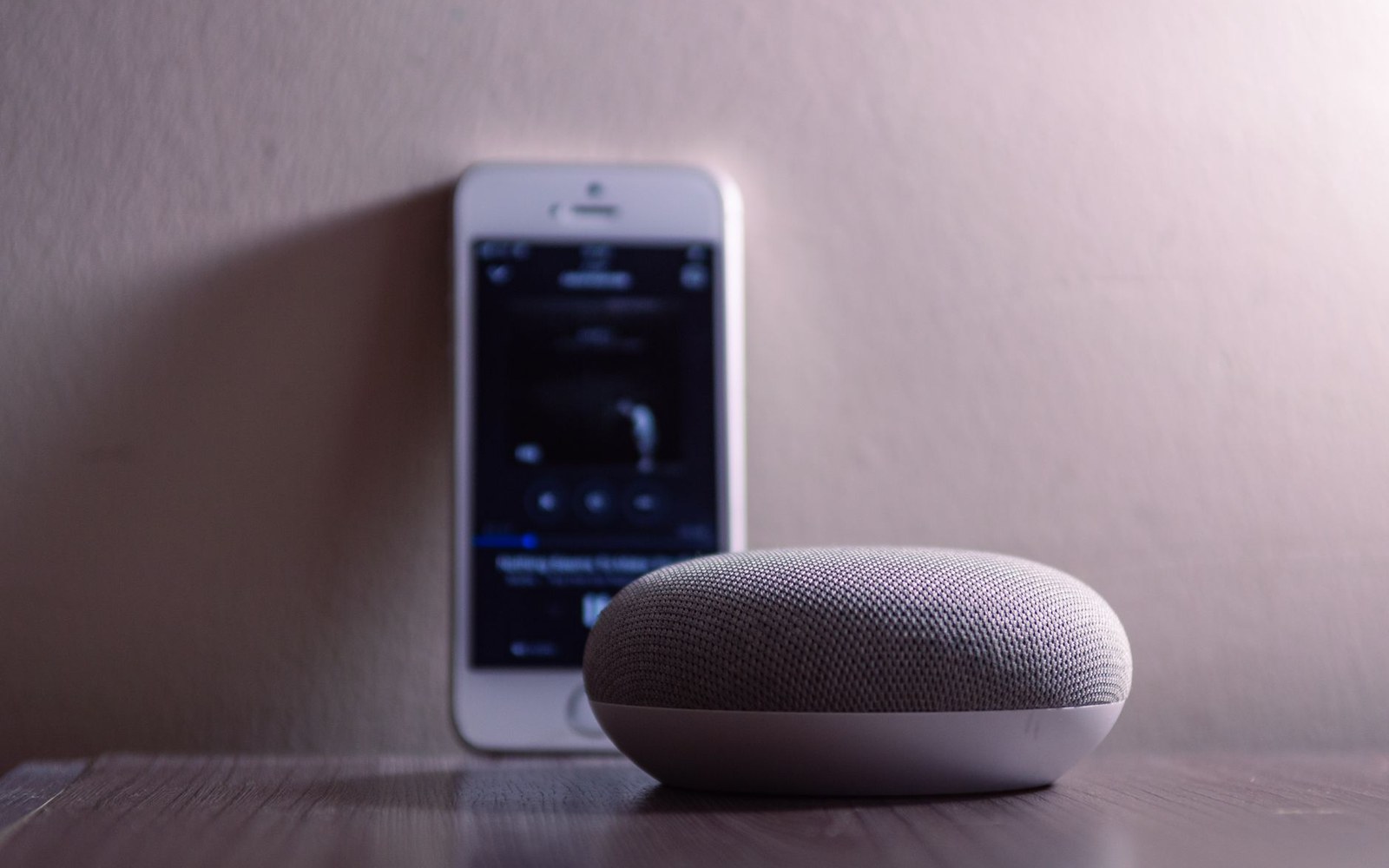
2024Listening
Smart Speakers and What Radio Lost When the Tuner Disappeared
Covers Amazon Echo, Google Nest, and Apple HomePod as the dominant smart-speaker platforms and their effect on radio listening time, citing RAJAR, Edison Research, and published device-sales data.
Read the piece