Section 4 of 5
The Signal
Codecs, bitrates, transmission chains, loudness standards, and the physical infrastructure a broadcast depends on.
The piece this section is about
2024
DAB, DAB+, and What the Codec Upgrade Actually Changed
More services, smaller signals — but the receivers you already owned could not follow.
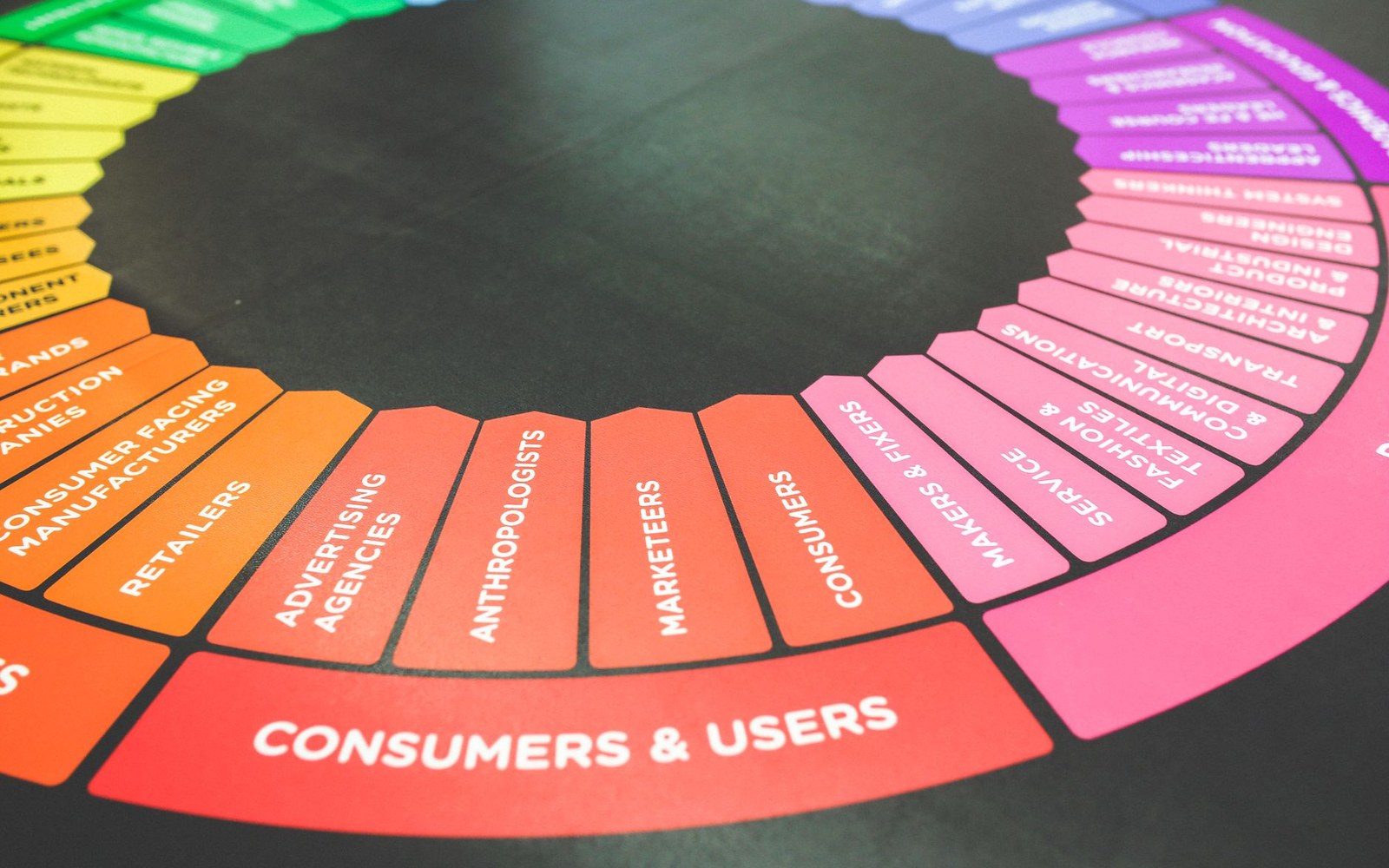
The angle is the upgrade's cost: DAB+ is more efficient but early DAB receivers cannot decode it, which is why some markets ran both in parallel.
Photo: Karolina Grabowska www.kaboompics.com / PexelsThe rest of The Signal
Every piece on the site
The Signal
Icecast, HLS, and the Buffer That Lives Between Studio and Listener
Explains the technical difference between Icecast push-streaming (low latency, single point of failure) and HLS adaptive streaming (higher latency, CDN-resilient), and why most large broadcasters moved from one to the other — drawing on published RFC and IETF documentation.
Read the piece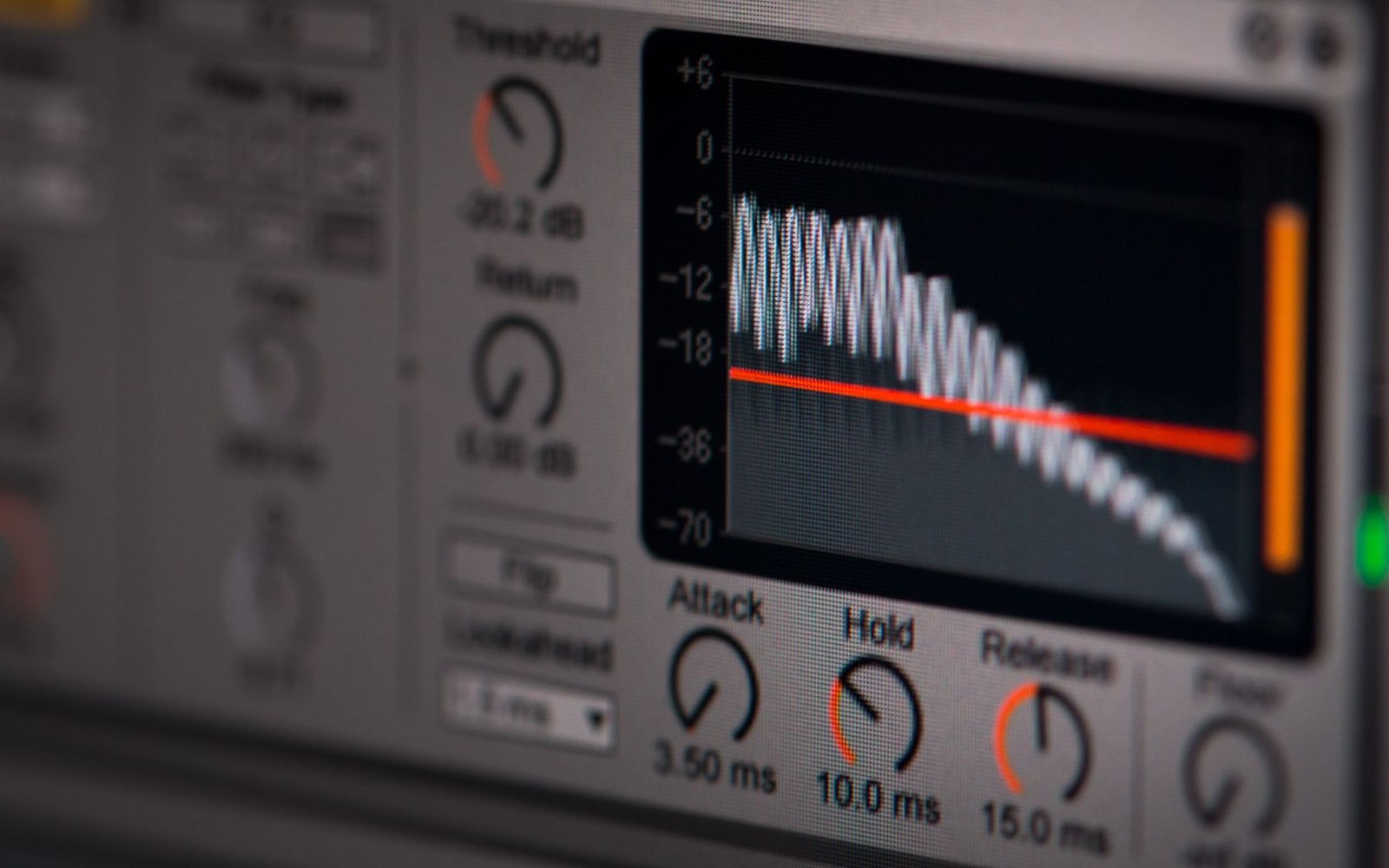
2010The Signal
The Loudness War Reaches a Regulator: R 128 and How Normalisation Changed Radio
Covers the EBU R 128 loudness normalisation standard, its adoption by the EBU's member broadcasters, and how loudness-normalised playout changed the competitive dynamic that drove radio processing toward maximum loudness — drawing on EBU Tech 3341 documentation.
Read the piece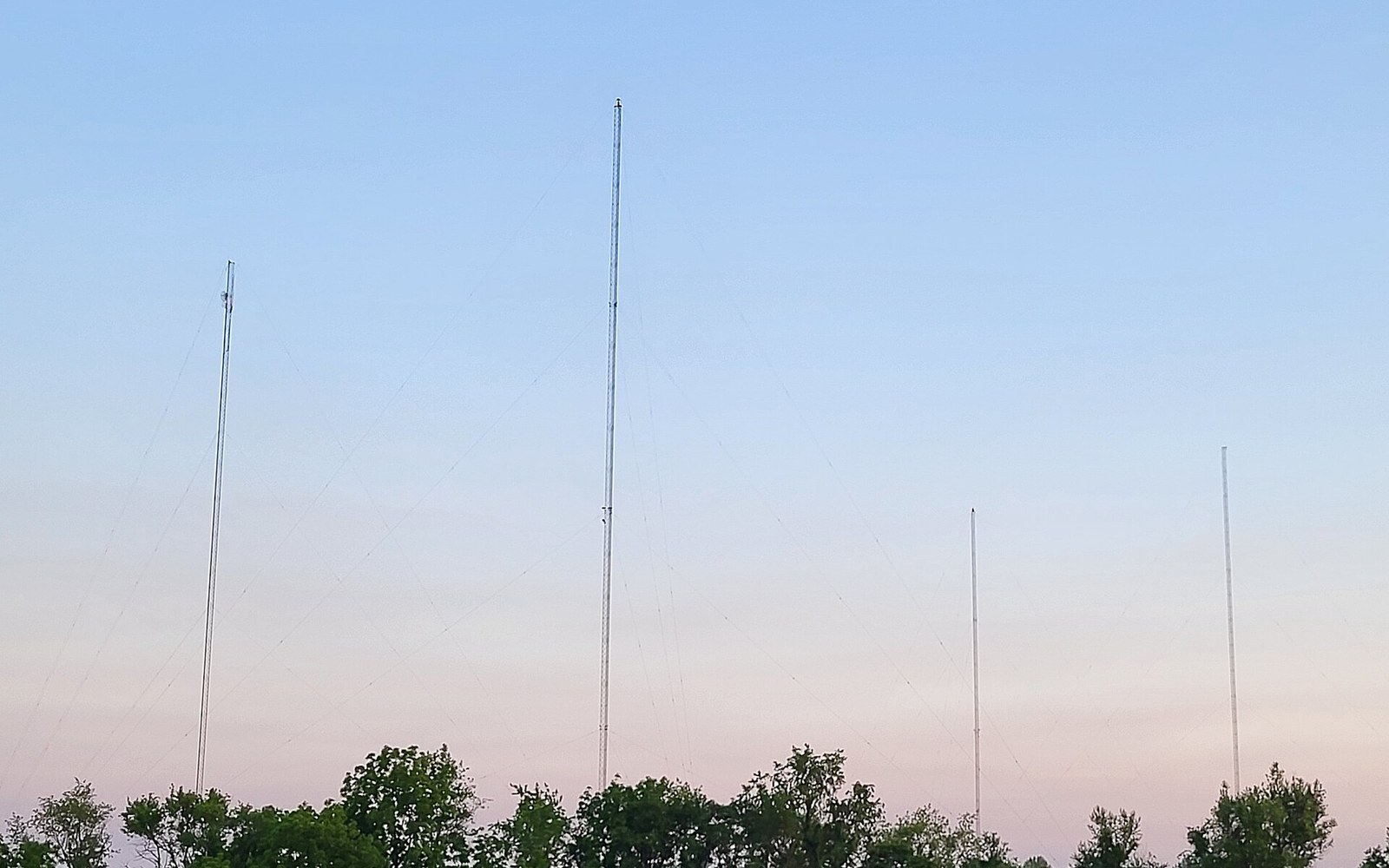
The Signal
From Microphone to Mast: The Broadcast Chain in Its Current Form
Describes the signal path from a studio microphone through console, audio processing, STL link, transmission system, and antenna — naming the equipment categories and the signal standards (AES3, SMPTE 2022, SRT) at each stage.
Read the piece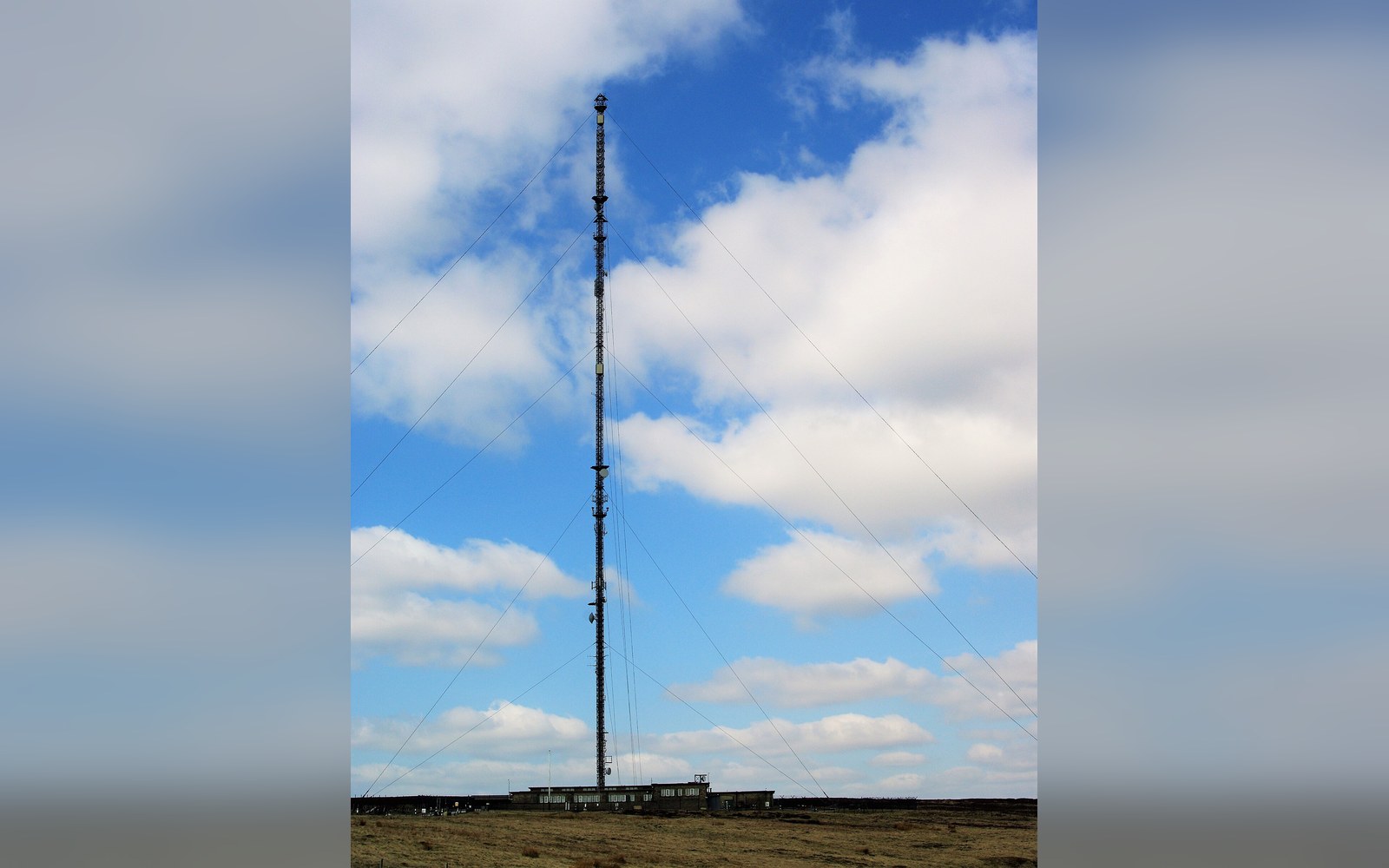
2017The Signal
The Masts That Did Not Come Down
Examines transmitter sites as physical infrastructure — Arqiva's UK network, the Norwegian sites retained by NRK for DAB+ and emergency broadcasting after FM shutdown — and the legal obligations that keep decommissioned FM masts standing.
Read the piece