Listening
Smart Speakers and What Radio Lost When the Tuner Disappeared
The device in 50 million US homes plays your station. It is not a radio.
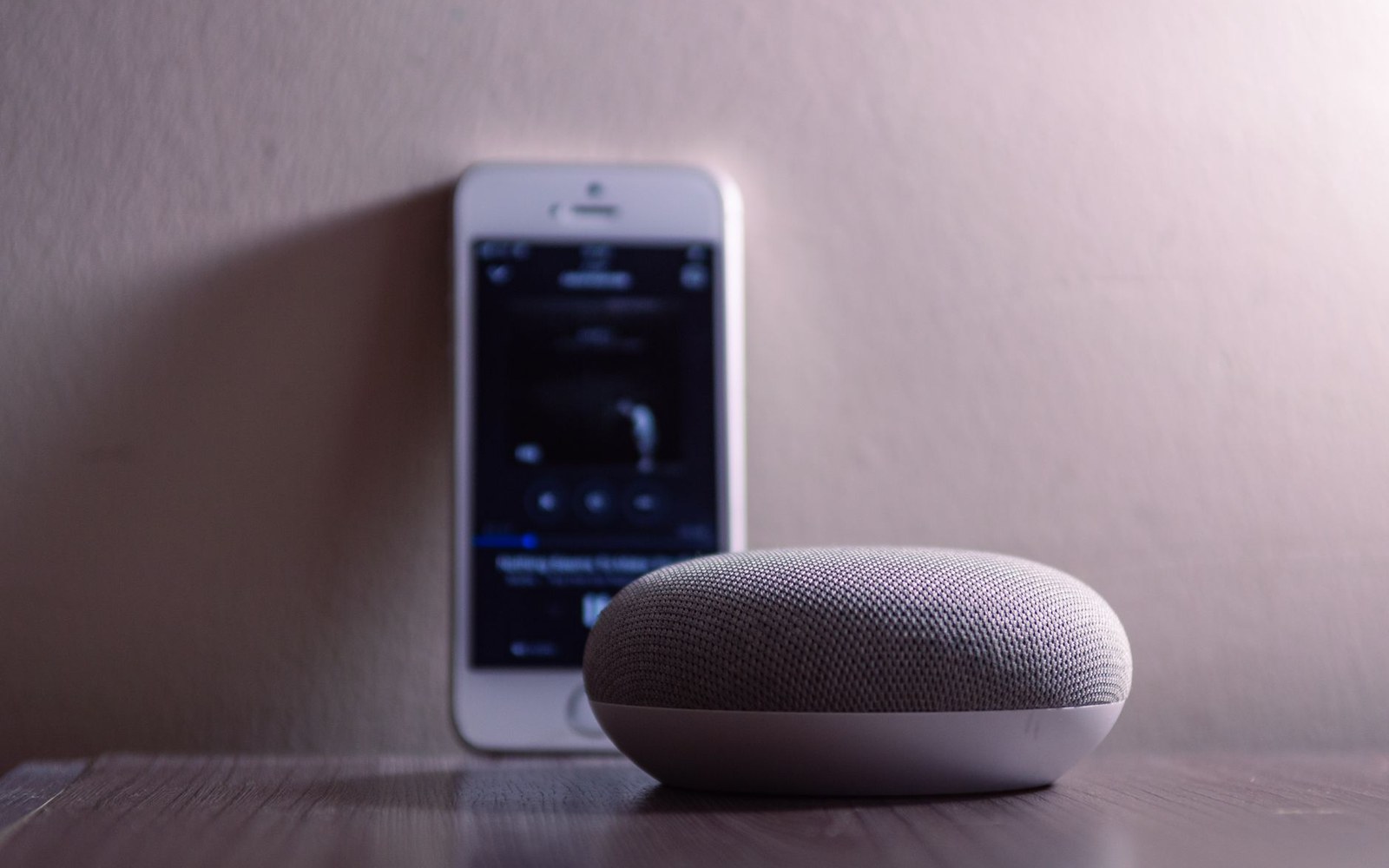
The angle is substitution: smart speakers play radio streams but they are not radios, and that distinction matters for emergency broadcasting.
Photo: Caio / PexelsThe Tuner That Never Was
Amazon Echo, Google Nest, and Apple HomePod all deliver broadcast radio streams on demand — ask, and the station plays. But each device routes audio through the internet, not a broadcast signal. There is no tuner, no antenna, no direct path to a transmitter.
The numbers behind this substitution are substantial. Edison Research's Infinite Dial series has tracked smart-speaker ownership in the United States rising to roughly half of all adults living in a household with one — and radio listening through those devices accounts for a significant share of total audio time logged on the platforms. In the UK, RAJAR's quarterly device data consistently shows smart speakers as one of the fastest-growing access points for radio consumption, and increasingly common among younger listeners.
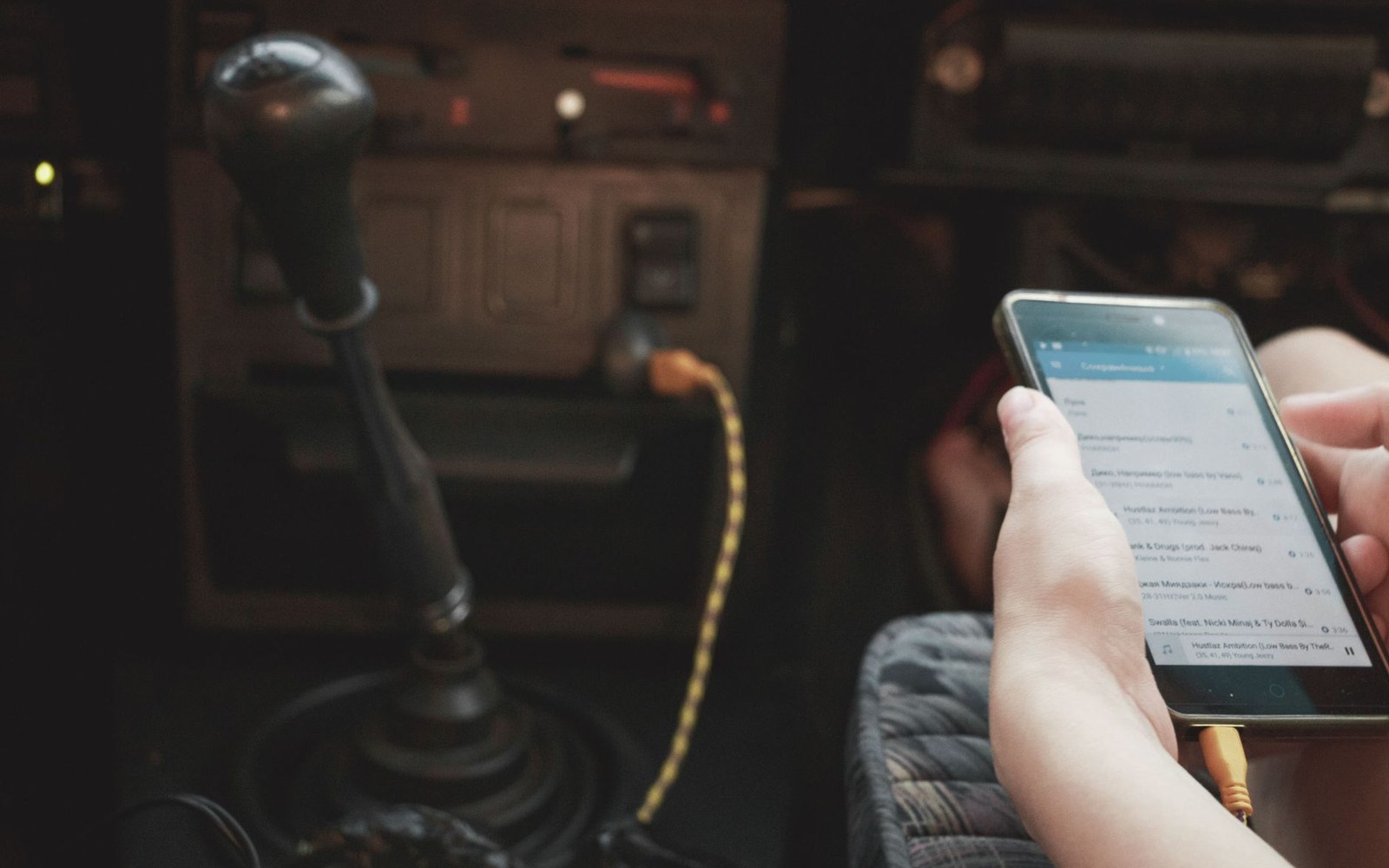
The existing car fleet is the constraint in every migration. An adapter retransmits a digital multiplex on an unused FM frequency inside the cabin.
Photo: Nikita Krasnov / PexelsThat growth is real gain for listening minutes but a structural loss for the medium. The stream a smart speaker plays is licensed and aggregated separately from the broadcast: it passes through platform layers — TuneIn, the station's own app, or a native integration — each carrying its own contractual terms. The broadcaster does not know, in the way a transmitter reach-and-coverage map allows, who is receiving.
The more consequential gap is emergency broadcasting. Analogue and DAB+ receivers capture a signal whether or not a network is functioning; a smart speaker requires a working internet connection and a live cloud service. When the Camp Fire destroyed Paradise, California in November 2018, cellular and broadband infrastructure failed across the affected area. Broadcast signals reached battery-powered radios where smart speakers went dark.
No regulator has yet mandated emergency-alert compatibility for smart-speaker hardware at the level applied to broadcast receivers. The FCC's Emergency Alert System rules apply to broadcast stations and cable systems; they do not extend to voice-assistant devices by default. The distinction between carrying radio and being a radio turns out to matter most exactly when conditions are worst.
More in Listening