Listening
Radio Garden: What Happens When the Map Is the Interface
A spinning globe replaced the station directory — and in doing so, changed what listeners discover about radio's geographic texture.
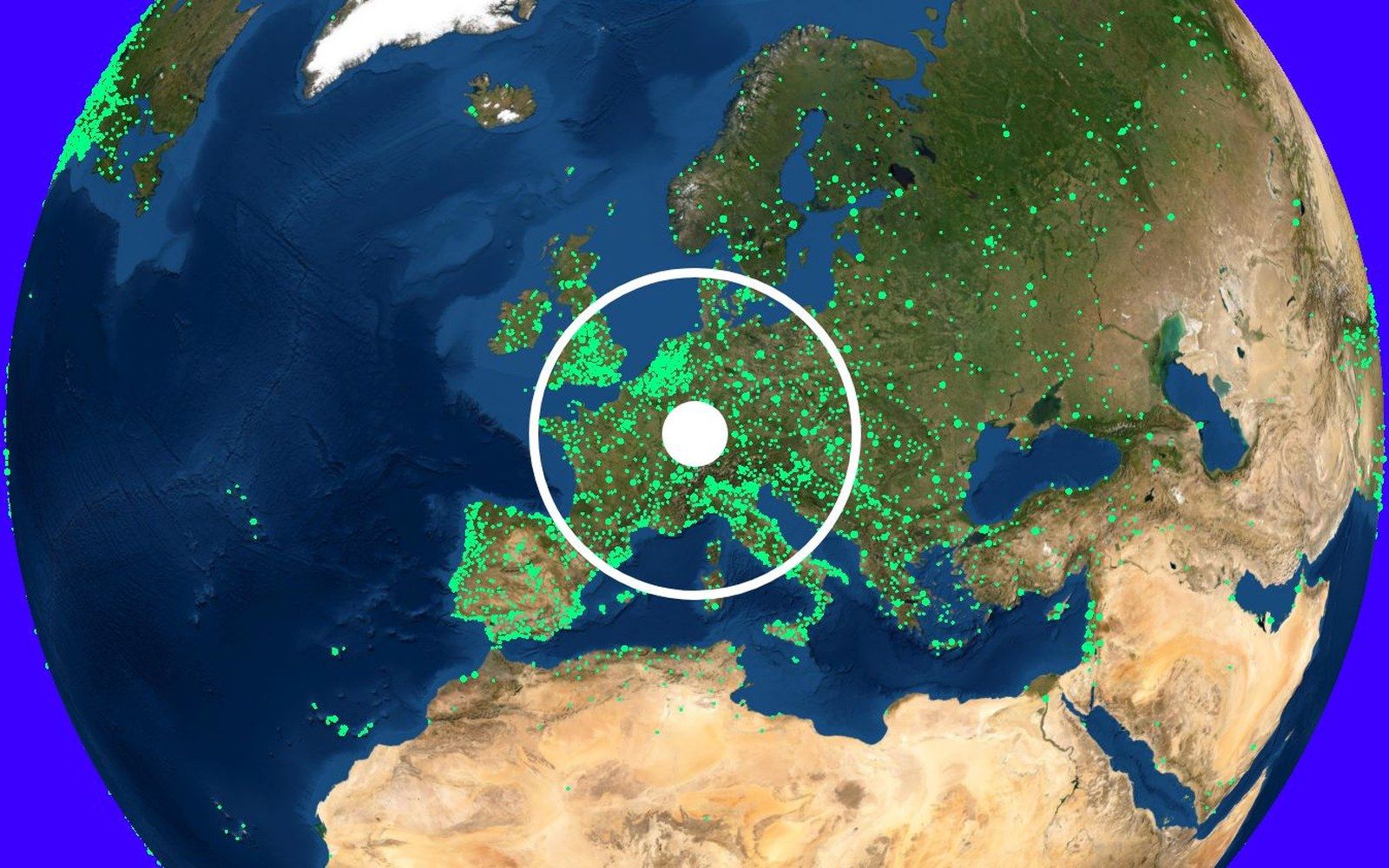
The angle is cartographic: using geography as navigation rather than a directory as navigation changes what radio sounds like globally.
Photo: radio.gardenThe Globe as Dial
Radio Garden began as a research project at the Netherlands Institute for Sound and Vision, developed in collaboration with designer Jonathan Puckey and launched in 2016. Its premise was straightforward and radical in equal measure: place every participating station as a dot on a three-dimensional globe, let users spin the sphere with a finger or cursor, and drop the needle wherever curiosity lands. There is no search bar at the centre of the experience — geography is the navigation.
The interface inverts the logic of every directory that preceded it. A conventional aggregator such as TuneIn organises stations by genre, language or country code; the user arrives knowing what they want and filters toward it. Radio Garden removes that intention entirely. A user spinning from Rotterdam to Reykjavik to Nairobi is not searching — they are browsing space, and the stations they encounter are determined by where the map takes them. The effect is closer to turning a shortwave dial than opening a streaming catalogue.
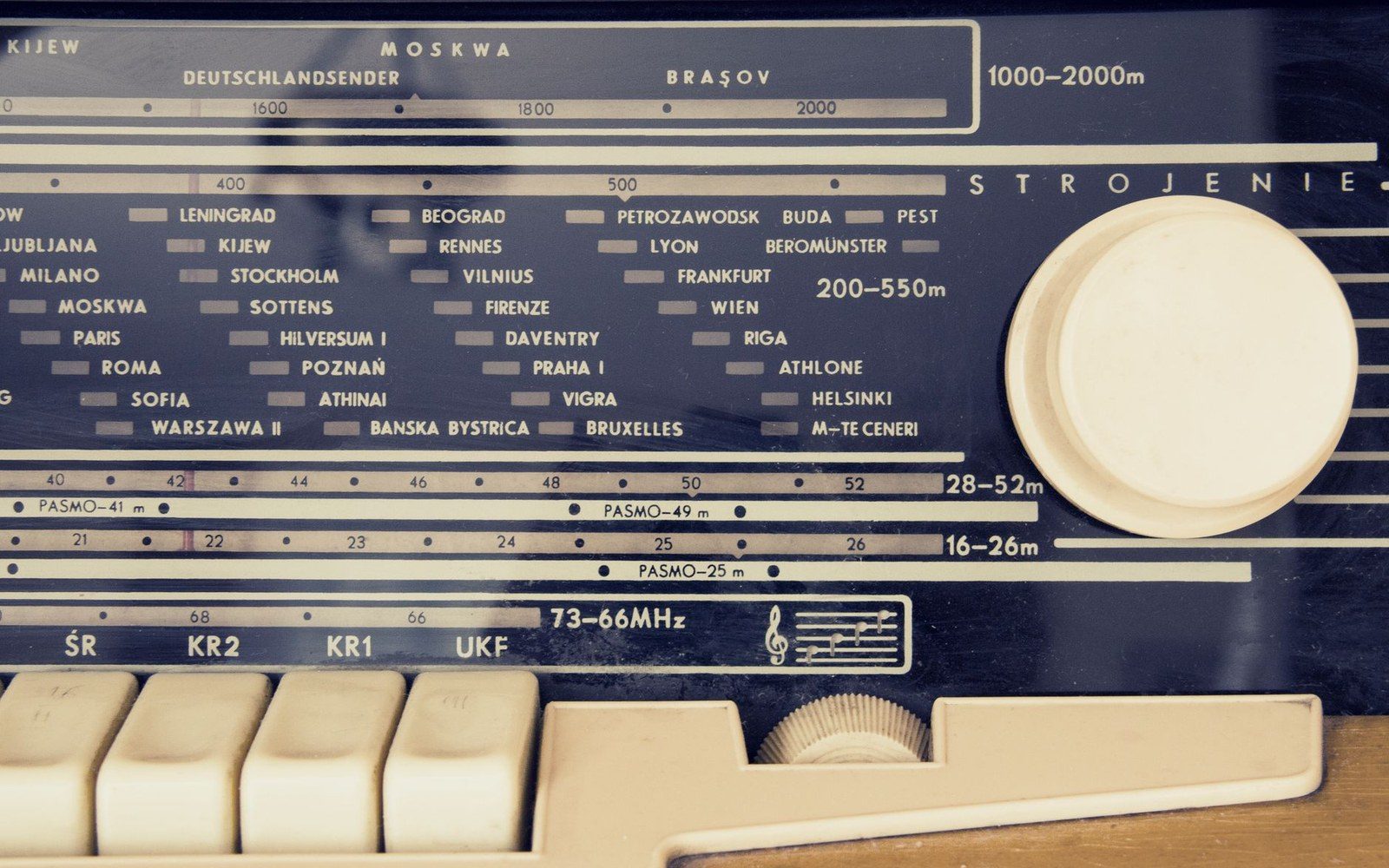
Domestic receivers are counted rather than surveyed: the receiver market is the published evidence regulators use for uptake.
Photo: Breakingpic / PexelsThat cartographic instinct is rooted in the project's institutional origins. The Netherlands Institute for Sound and Vision, based in Hilversum, holds one of Europe's largest broadcast archives. Radio Garden grew out of its research on how audiences relate to radio as a geographically situated medium — a question the project answers by making geography inseparable from the listening act itself. Edison Research data consistently shows that listeners over-index on local stations when given a directory; the globe format disrupts that habit by making the local and the distant equally reachable on the same surface.
Rights at the Edge of the Globe
The cartographic elegance runs into the same constraints that limit every streaming platform. Stations participate in Radio Garden voluntarily, providing their own streams. Many of those streams carry licensing agreements that restrict geographical delivery — a station licensed by PRS for Music or PPL for UK terrestrial broadcast may not hold the rights to stream that same music to a listener in Brazil. Radio Garden does not resolve this; it inherits whatever restrictions individual stations have already built into their streams. A dot on the globe is not a guarantee of audio.
The project therefore works best as a demonstration of radio's geographic density rather than a reliable universal receiver. Many stations stream reliably to listeners almost anywhere; others drop out or geo-block. What the globe makes visible — and what no directory makes visible — is that radio is not a single medium but thousands of local decisions about signal, language and sound, each pinned to a specific point on the earth.
More in Listening