The Switchovers
The Date That Keeps Moving: Britain's DAB Migration
Coverage thresholds, deferred deadlines, and a switchover mechanism that made the market the gatekeeper
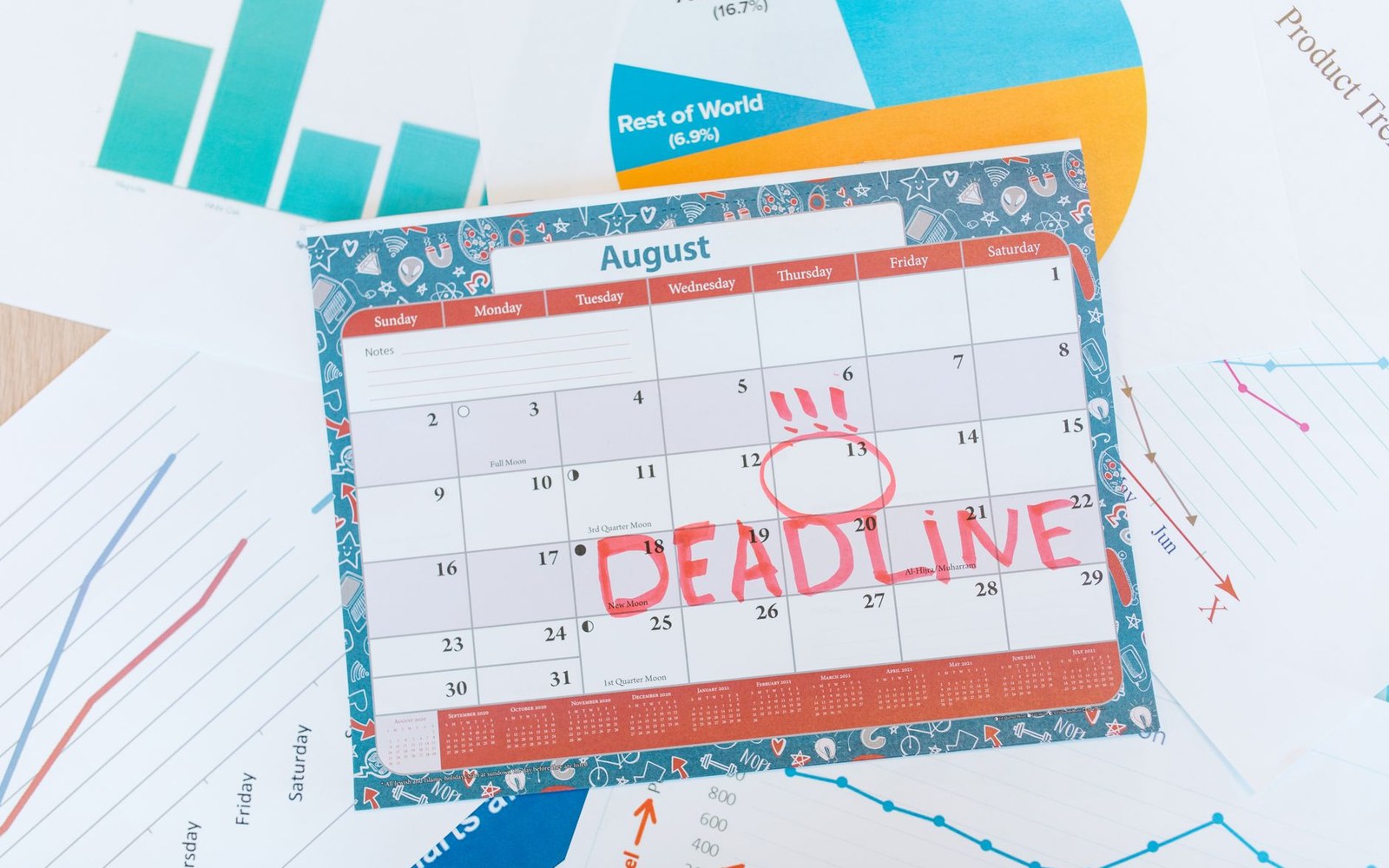
The angle is the mechanism: the coverage-and-uptake test meant no date could be confirmed until the market moved, and the market moved slowly.
Photo: RDNE Stock project / PexelsThe Threshold That Was Never Quite Met
The United Kingdom did not set a firm FM switch-off date and work toward it. It set conditions that had to be met first, then waited. That design choice — encoding the switchover into a coverage-and-listening test rather than a calendar — is why Britain remains, well over a decade after the original policy framework, still operating a parallel FM and DAB+ infrastructure.
The mechanism originates in the Digital Economy Act 2010, which gave the Secretary of State the power to set a switchover date but tied any such decision to Ofcom measurements showing that DAB coverage matched FM coverage and that digital listening had crossed 50 percent of total radio consumption. Both conditions had to be satisfied simultaneously. Until they were, no date was legally triggerable. The market, in other words, held the key.

The existing car fleet is the constraint in every migration. An adapter retransmits a digital multiplex on an unused FM frequency inside the cabin.
Photo: Nikita Krasnov / PexelsThe 50-percent listening threshold was crossed for the first time in RAJAR data published around 2020, when digital platforms collectively — DAB receivers, smart speakers, and online streams — finally edged past analogue. But coverage remained the sticking point. Geographical DAB coverage of roads and motorways consistently lagged behind the FM network, and indoor reception in rural areas remained patchier than the legacy analogue signal. Ofcom's successive measurements kept returning the same finding: not yet comparable.
Consultations, Then More Consultations
DCMS ran a formal consultation on FM switchover in 2013, and again revisited the question in subsequent reviews, each time noting that industry investment in the DAB network was proceeding but that the coverage gap had not closed sufficiently. The department's position through this period was consistent: the government supported digital switchover in principle, would not set a date until the threshold tests were passed, and expected the industry to invest accordingly.
The switchover test — its two conditions
The Switchovers
- Listening threshold
- digital listening must exceed 50 percent of total radio consumption, measured by RAJAR quarterly data
- Coverage threshold
- DAB coverage must be demonstrably comparable to FM coverage, including roads, indoors, and rural areas, as measured by Ofcom
Chronology of key moments
The Switchovers
- 2010
- Digital Economy Act grants Secretary of State power to set a switchover date, subject to threshold tests
- 2013
- DCMS runs first formal FM switchover consultation
- c. 2020
- 50 percent digital listening threshold crossed for the first time in RAJAR data
- Mid-2020s
- Government language shifts from "switchover" to "digital migration"; small-scale DAB tier expands
In practice, this created a circular problem. Commercial operators had limited incentive to accelerate DAB investment while FM remained free to use, and FM remained free to use partly because DAB coverage was insufficient to justify switching off the analogue network. The BBC expanded its DAB coverage steadily — its national DAB multiplex covers the majority of the UK population — but the commercial multiplexes, operated by companies including Bauer Media and Global, were slower to reach rural transmitter sites. The parallel infrastructure costs, maintained on both analogue and digital, became a persistent industry grievance without producing a resolution date.
Norway executed a region-by-region FM shutdown in 2017 having set a date, committed public funding to coverage buildout, and accepted a mandatory transition with a national political mandate. Britain's model inverted that logic: the market set the pace, and the government waited for the test to pass.
The Mechanism's Legacy
By the mid-2020s the DCMS position had evolved from deferral to something closer to managed coexistence. Government language shifted from "switchover" toward "digital migration," with the implication that FM might be wound down sector by sector — local commercial FM first, national services later — rather than switched off in a single coordinated action. Small-scale DAB licensing, enabled through Ofcom, opened a new layer of local digital broadcasting that added stations rather than replacing analogue ones.
The coverage-and-uptake test did what it was designed to do: it prevented a switchover that the infrastructure could not yet support. What it could not do was compel the investment that would have closed the gap. A threshold mechanism without a backstop date leaves no actor — government, regulator, or broadcaster — holding final accountability for when, or whether, the transition completes.
Britain now has Bauer and Global managing extensive digital portfolios alongside surviving FM licences, a growing small-scale DAB tier, and no confirmed switchover date on any official timetable. The date keeps moving because the mechanism allows it to.
More in The Switchovers