The Switchovers
Germany's Quiet Mandate: DAB+ in Every New Car
A receiver requirement rather than a switch-off date: how Berlin chose to grow the DAB+ audience one vehicle at a time.
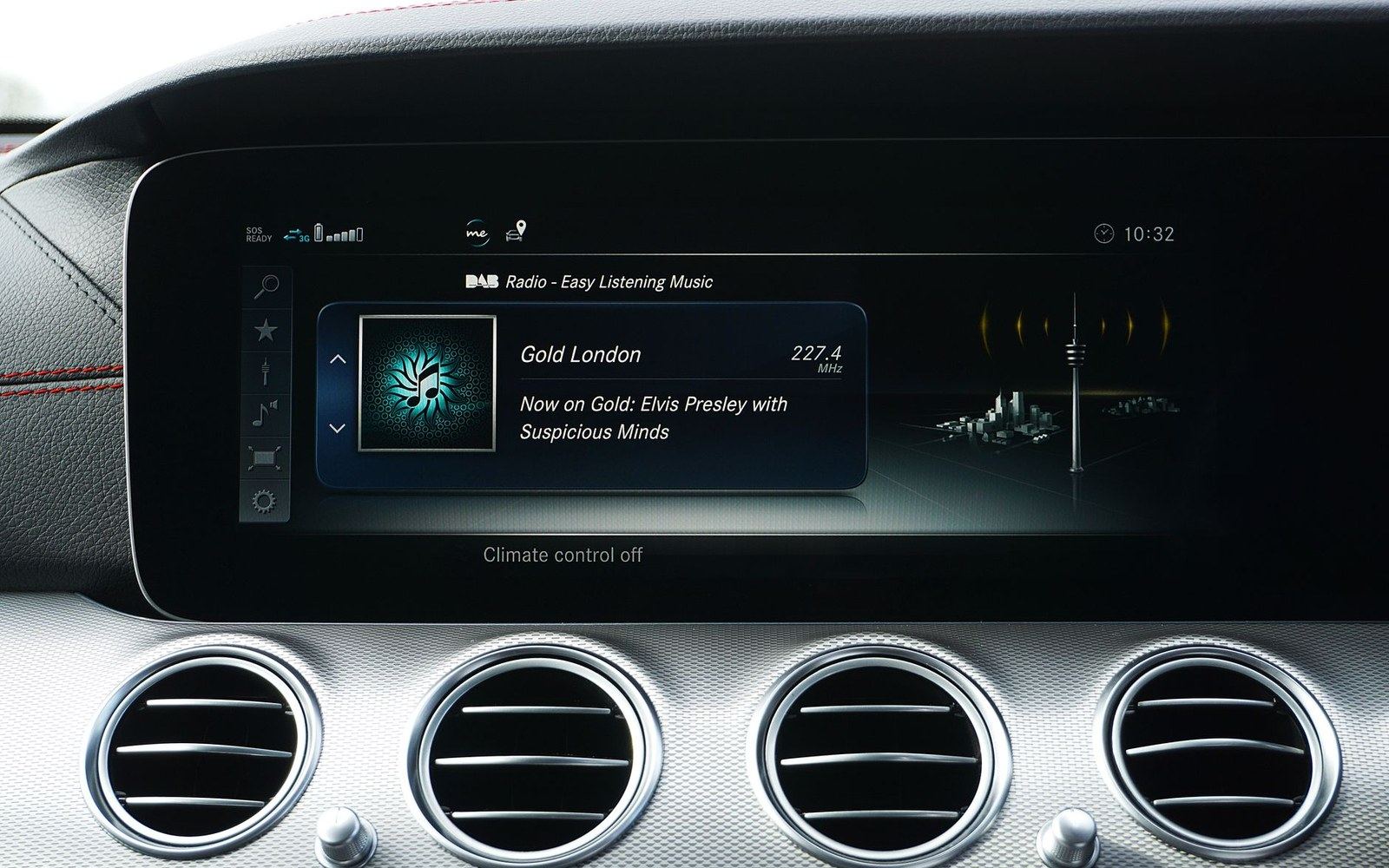
The angle is market-forcing: a receiver mandate rather than a shutdown date as the chosen policy instrument.
Photo: Mike Bird / PexelsThe Law Behind the Dashboard
Germany has no confirmed FM switch-off date. What it has instead is a statutory nudge embedded in the Telekommunikationsgesetz — the federal Telecommunications Act — requiring that every new car radio sold in Germany from 21 December 2020 onward include DAB+ reception capability. The Bundesnetzagentur (BNetzA), the federal network regulator, issued the implementing guidance that gave the mandate its operational shape.
The legal basis draws on Article 113 of the European Electronic Communications Code, which empowered member states to require digital radio receivers in consumer devices. Germany moved early and specifically, targeting the car radio as the device most Germans spend the most broadcast-listening hours with. Edison Research has consistently documented in-car listening as the largest single context for audio consumption across major markets, which makes the vehicle the obvious pressure point for any migration strategy.
Domestic receivers are counted rather than surveyed: the receiver market is the published evidence regulators use for uptake.
Photo: Breakingpic / PexelsThe mandate applies to new type-approved vehicles equipped with a built-in radio. Aftermarket head units installed by the owner fall outside its scope, as do portable receivers and home audio equipment — though a parallel provision covers new consumer radio sets sold with a screen capable of displaying textual information, also requiring DAB+ from the same date. The BNetzA's role is enforcement and market surveillance rather than content regulation; its remit under the Telekommunikationsgesetz does not extend to programming or multiplex allocation, which remain with the Landesmedienanstalten, the state-level broadcast regulators.
Market-Forcing Without a Deadline
The logic is cumulative. By requiring DAB+ hardware in each new vehicle rather than setting a switch-off date, the German government avoids the political cost of stranding analogue listeners while still engineering a DAB+-capable fleet over time. Norway chose the direct shutdown, completing its region-by-region FM switch-off in 2017. Switzerland followed with a phased analogue closure. Germany's instrument is softer but structurally patient: as the national car parc turns over — typically across eight to twelve years — the share of vehicles carrying a DAB+ tuner rises without a single politically difficult cut-off moment.
For broadcasters, the mandate creates a reliable floor of receiver penetration growth. Public broadcaster ARD and commercial operators across the Länder have expanded DAB+ multiplex coverage steadily since the mandate took effect, aware that the addressable in-car audience will only expand. The BNetzA publishes annual digital radio coverage data reflecting that trajectory. FM stays on air in the meantime, carrying the same stations, with no statutory end date yet set.
The German approach is, in short, a long game: legislate the hardware, let the market fill in.
More in The Switchovers