The Money
The American Music Fairness Act and the Case Against the Exemption
A perennial bill, a decades-old carve-out, and two industries that cannot agree on what radio actually owes musicians.
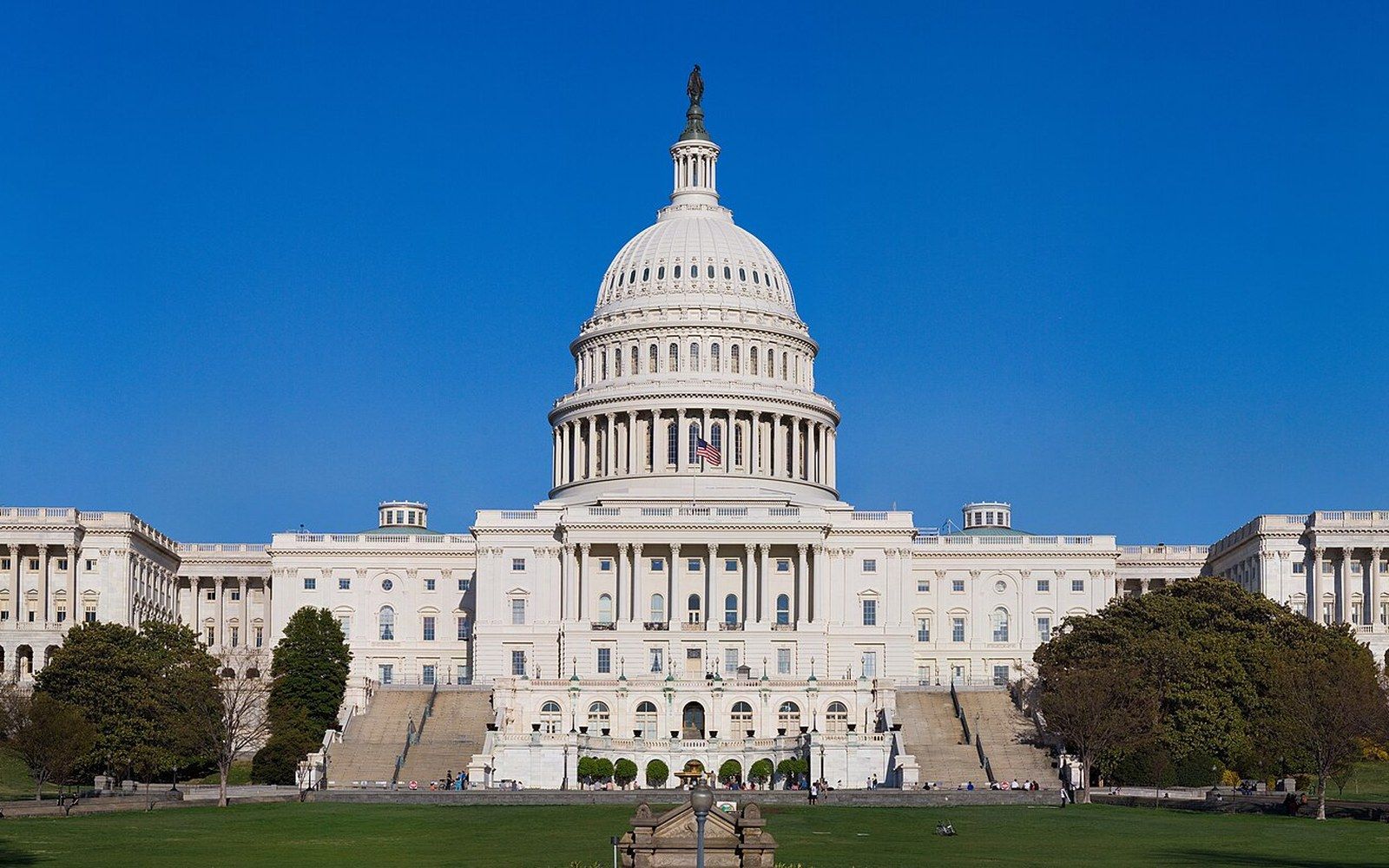
The angle is the argument itself: what both sides say the exemption is for.
Photo: Capitol Building Full View · Wikimedia CommonsThe Exemption at the Centre
When a song streams on TuneIn or plays on Pandora, the platform pays a digital performance right to the recording's rights holders — routed through SoundExchange, the statutory collective that distributes those fees to artists and labels. When the same song plays on a terrestrial AM or FM station, no such payment is made. That gap is not an oversight. It is a deliberate provision of US copyright law, the terrestrial-radio exemption, and it has stood since the Digital Performance Right in Sound Recordings Act of 1995 drew the line between analogue and digital transmission.
The American Music Fairness Act, reintroduced in the 118th Congress in 2023 with bipartisan sponsorship in both the House and Senate, is the most recent legislative attempt to close it. The bill would require over-the-air AM and FM broadcasters to pay performance royalties to sound-recording rights holders at rates to be set by the Copyright Royalty Board, the federal body already responsible for webcaster and satellite-radio rate determinations.
Domestic receivers are counted rather than surveyed: the receiver market is the published evidence regulators use for uptake.
Photo: Breakingpic / PexelsWhat Each Side Claims
Supporters of the bill — artists' organisations, independent labels, and the Recording Industry Association of America — frame the exemption as an anomaly that the United States shares with only a handful of countries, including China, Iran, and North Korea, as the RIAA has repeatedly noted in public testimony. Every other major music market, including the United Kingdom, Germany, France, and the rest of the European Union, requires broadcasters to pay for the use of sound recordings alongside separate payments to composers and publishers. In those markets, the two obligations coexist; in the United States, broadcasters pay only the songwriter-side right, administered through ASCAP and BMI, while the recording side goes uncompensated for terrestrial play.
The bill's sponsors have argued that streaming's growth makes the exemption increasingly difficult to justify. A performer whose song generates millions of broadcast plays receives nothing from those plays in the United States, while the same plays via a digital stream generate a per-performance royalty set by the CRB's most recent Web V proceeding.
The National Association of Broadcasters, which has opposed every previous iteration of this legislation, counters with what it calls the promotional argument: radio airplay functions as marketing, driving listeners toward purchases, streams, and concert tickets. The NAB has published its position consistently, arguing that the promotional value broadcasters deliver to the music industry represents an implicit exchange that monetises recordings without a direct royalty payment. The NAB has also raised concerns about the financial burden on smaller and community stations that operate on thin margins and could not absorb new royalty obligations structured like webcaster rates.
The bill's sponsors anticipated this. The American Music Fairness Act includes a tiered structure: stations with revenues below a specified threshold would pay a reduced flat annual rate, and non-commercial broadcasters would pay a nominal fee. The intent is to insulate small operators from rate exposure comparable to that carried by commercial groups such as iHeartMedia or Audacy while still establishing the principle that the exemption should end.
The Arithmetic Underneath
What makes the debate durable is that both arguments rest on real evidence. The promotional claim is not fabricated — Edison Research data shows radio discovery remains a meaningful pathway to streams and purchases. But the equity claim is equally real: the United States is genuinely anomalous among wealthy democracies in withholding a recording performance right from terrestrial broadcast. The American Music Fairness Act has not passed in any of its iterations. Whether the framing of a tiered, small-station-protective structure will eventually shift the politics is the question the bill's sponsors are betting on.
More in The Money