The Money
The Webcaster Rate Math

The angle is translation: a per-stream rate is an abstraction until it is multiplied by listener-hours.
Photo: Mikhail Nilov / PexelsWhat a Per-Stream Rate Actually Costs at Scale
The per-performance rate is an abstraction until multiplied by the audience.
The Copyright Royalty Board's Web V determination set the webcaster rate at $0.0026 per performance — one play of one song to one listener. SoundExchange collects and distributes those payments on behalf of recording rights holders.
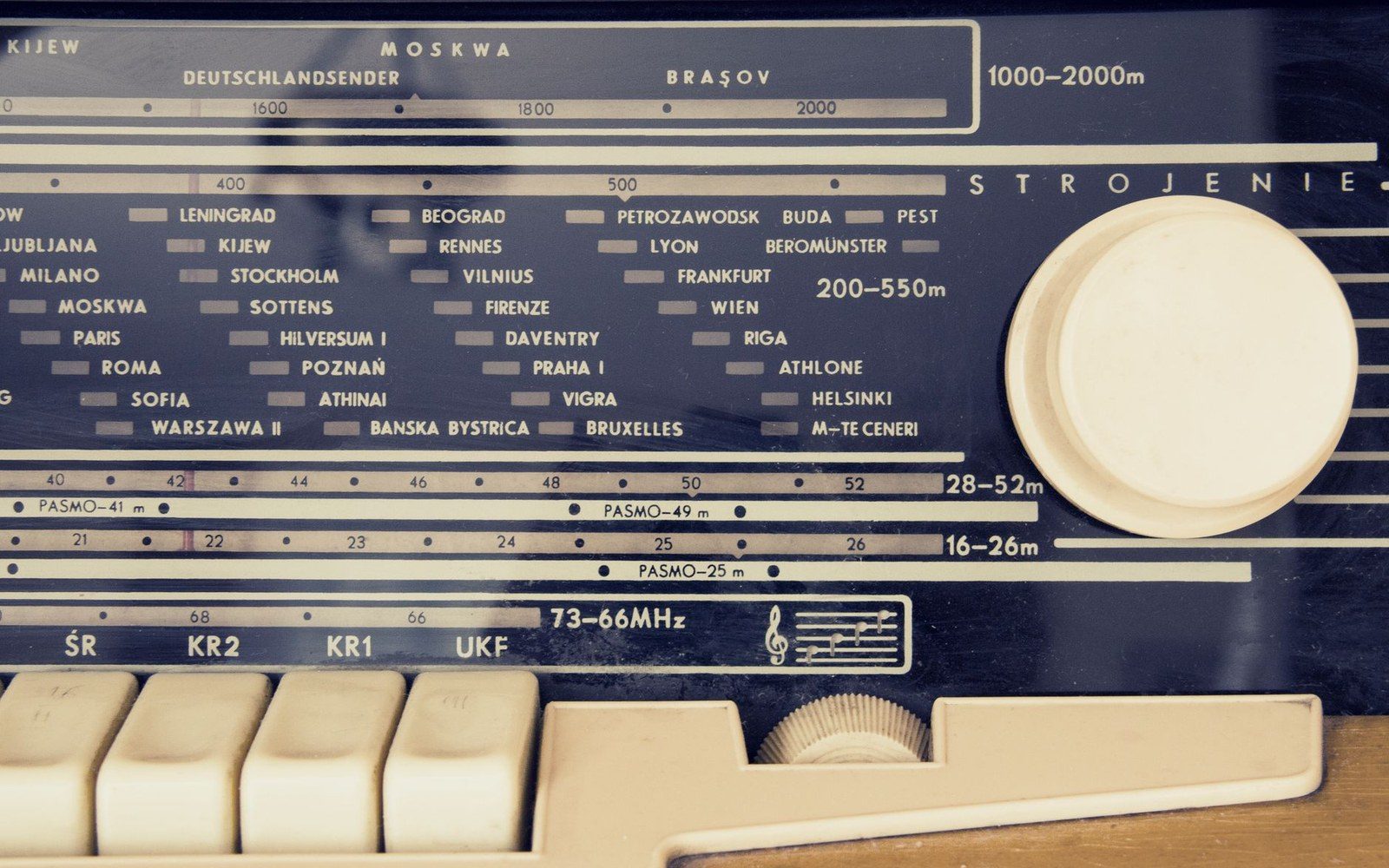
Domestic receivers are counted rather than surveyed: the receiver market is the published evidence regulators use for uptake.
Photo: Breakingpic / PexelsThe arithmetic looks trivial until scale enters. A single listener tuned in for an hour hears roughly fifteen songs. At $0.0026 each, that listener costs a station roughly $0.039 per hour — under four cents. A station running 24 hours a day with an average of 500 concurrent listeners accumulates about $19.50 per hour, or about $468 per day. Across a year, the obligation reaches roughly $4,100 — before any SoundExchange minimum annual fee is applied.
At 5,000 concurrent listeners — a figure within reach of an established independent station — the same arithmetic produces closer to $1.7 million per year. At 50,000 concurrent listeners, the number crosses $17 million. Revenue that sustains a commercial broadcaster at that scale can absorb it; the same figure is existential for a non-commercial or listener-funded operation running on a tight margin.
SoundExchange also imposes a minimum annual fee for each channel a station operates, which functions as a floor independent of actual play counts. For services streaming fewer than 159,140 aggregate tuning hours per month, that floor has historically been low enough to be less binding than the per-performance accumulation — but the moment audience grows, the per-performance clock dominates.
What the rate structure does not contain is any adjustment for the terrestrial-radio exemption that still shields over-the-air AM and FM broadcasters from paying sound-recording performance royalties at all. The internet-only station paying $40,000 a year competes in the same attention market as an FM broadcaster paying nothing to the same rights holders.
More in The Money