The Groups
RTVE and the Spanish Públicas: Funding Without a Licence Fee
Spain's public broadcaster has run without a household licence fee since 2010. The levy model that replaced it has proved both structurally inventive and chronically underfunded.
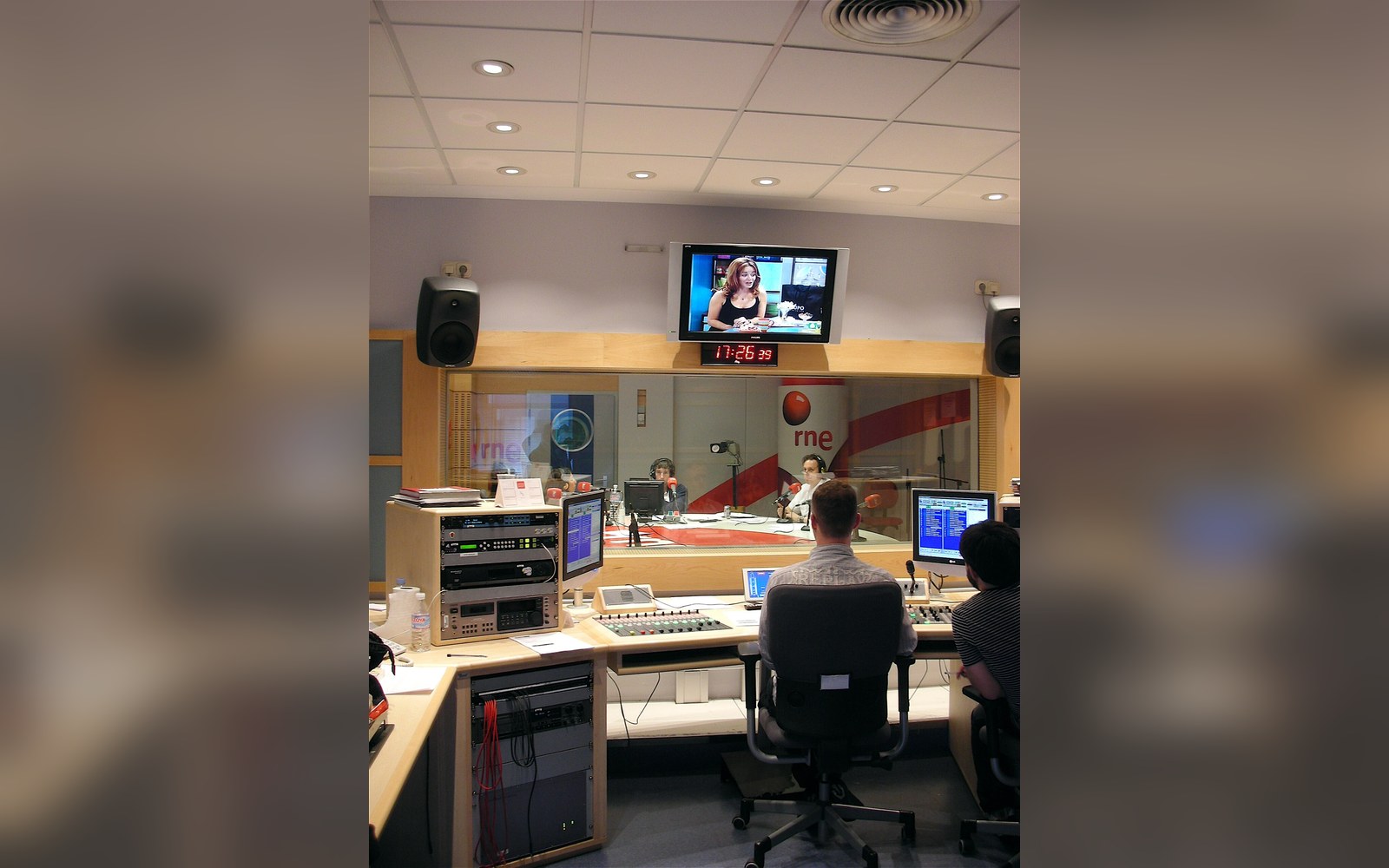
The angle is the alternative: Spain chose a different mechanism for public funding than the BBC or Sveriges Radio and has lived with its consequences.
Photo: Radio Nacional de España - Asuntos Propios · Wikimedia CommonsA Different Bargain With the Public
When Spain passed Ley 8/2009 in August 2009, it made a deliberate choice. Rather than ask households to pay a dedicated licence fee for public broadcasting — the model the BBC relies on — it abolished RTVE's advertising revenue and replaced it with levies on commercial broadcasters (three percent of their advertising income), telecoms operators, and pay-television providers. The logic was clean: the entities that commercially exploit the electromagnetic spectrum and broadband infrastructure would cross-subsidise the entity that does not.
The mechanism entered force in 2010. Radio Nacional de España, RTVE's radio arm, operates within that same funding envelope alongside Televisión Española. Unlike the BBC's ring-fenced licence fee or Germany's broadcasting contribution (the Rundfunkbeitrag, collected per household by the ARD and ZDF system), the Spanish levy is sensitive to the health of the commercial sector it taxes. When advertising markets contract, so do the contributions — and so does RTVE's budget.
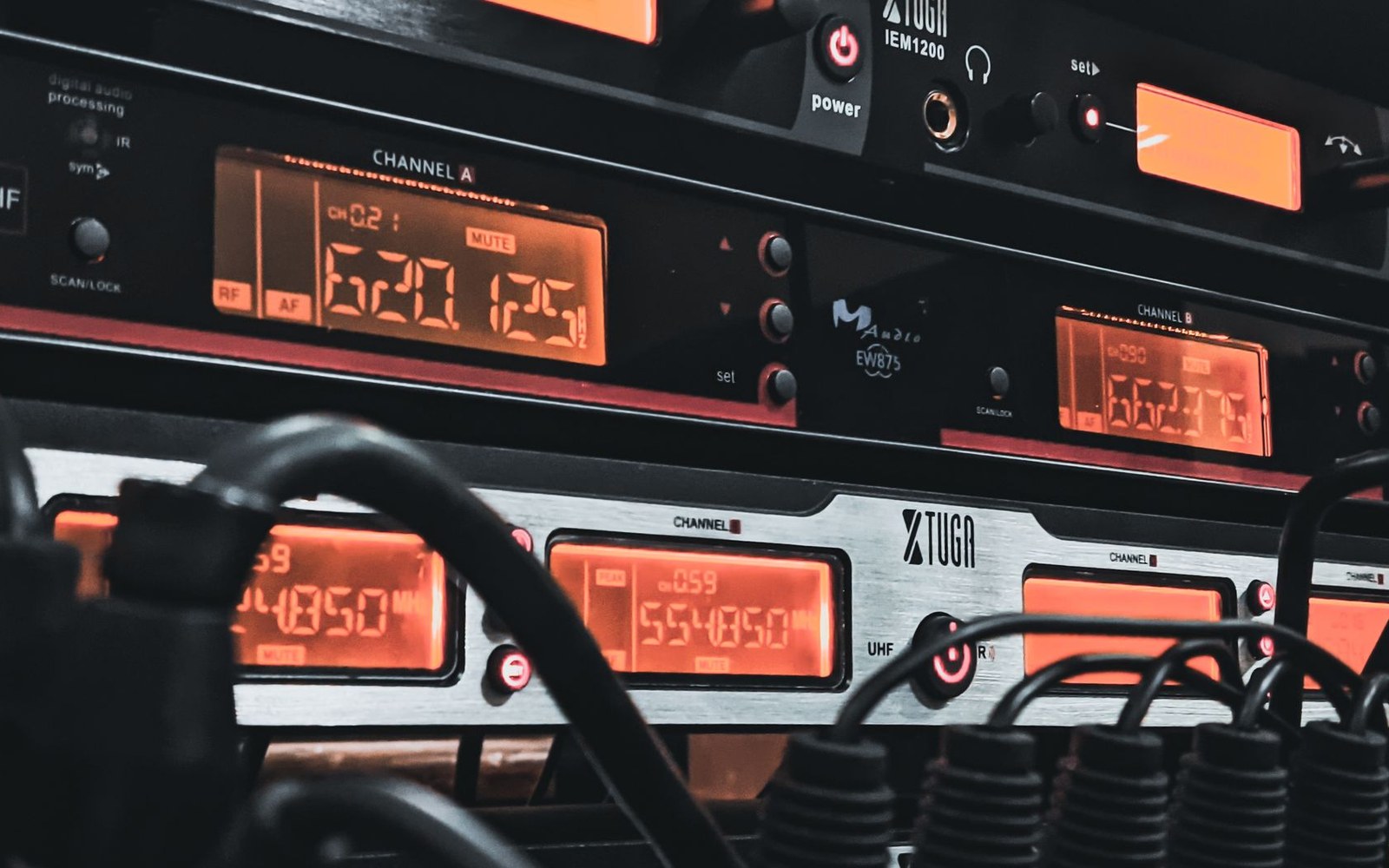
Processing sits between playout and transmission, and it is where loudness policy stops being a document and becomes a setting.
Photo: Busalpa Ernest / PexelsWhat the Model Has Meant in Practice
The consequences for Radio Nacional de España have been measurable. Budget pressures since 2010 have translated into staff reductions, fewer original productions, and recurring disputes between RTVE management and its workers' unions over editorial independence and resources. The broadcaster has also faced repeated political controversy: its governing board is appointed through a parliamentary process, and successive governments have been accused of treating the appointment mechanism as a lever for editorial influence.
RTVE's regional counterparts — the radiotelevisiones autonómicas that serve Catalonia, the Basque Country, Galicia, and other communities — operate under separate regional funding arrangements, some closer to direct budget allocations than levy structures. Their financial stability has varied considerably, with several undergoing significant restructuring after the 2008 financial crisis exposed the fragility of regionally guaranteed funding.
The structural irony of the 2009 model is that it freed Spanish households from any direct payment while tethering public radio and television to the fortunes of commercial operators — the very competitors RTVE was designed to exist independently of. When those operators lobby for reductions in their levy burden, the question of who ultimately bears the cost of public broadcasting comes back into focus.
Spain's experiment remains a reference point for countries weighing alternatives to the licence fee. It demonstrates that going without a household charge does not solve the underlying problem: public broadcasters need a stable, predictable funding floor, and every mechanism chosen to supply it carries its own political and economic vulnerabilities.
More in The Groups